
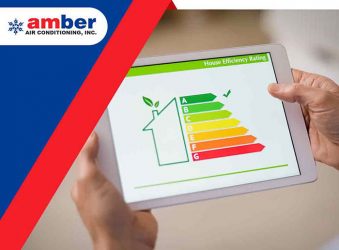
The advent of energy-efficient HVAC systems has dramatically improved the way homeowners utilize their heating and cooling systems. In addition to providing savings on utility costs and improved performance, energy-efficient HVAC systems also have environmental benefits: Fewer Carbon Emissions Grid-based electricity is produced mostly from fossil fuels such as crude oil. More electricity consumed means higher direct carbon emissions, which, in turn, can be harmful to the environment. Therefore, households that use inefficient HVAC systems have a negative impact on the environment, and will continue to do so as long as they keep using the same. According to the Energy Information Administration, an average home spends almost half of its annual energy costs on heating and cooling alone. Making the switch to energy-efficient HVAC systems can have a long-term positive effect on your annual energy consumption. More importantly, your home’s carbon emissions and its environmental impact can be dramatically reduced. Ozone-Friendly Refrigerants You may have […]
What Is EnergyStar, and Why Does It Matter?
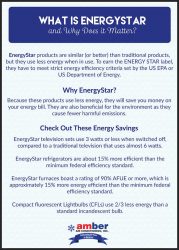
EnergyStar is the official federal government-backed symbol for energy efficiency among the most common home appliances. This labeling helps make it simple and convenient to save money on energy costs and protect the environment through energy-efficient means. Why Was EnergyStar Created? The EnergyStar label was created to reduce harmful emissions created by the inefficient use of energy as well as make it simple for buyers to recognize energy efficient products for their home when making new appliance purchases. Below, we’ve put together a little more information on why the EnergyStar label matters. EnergyStar HVAC Solutions If you’re looking for an energy efficient HVAC system, then you’ve come to right place! At Amber Air Conditioning Inc., we can help you find the most energy efficient comfort solutions for your home that also fall within your budget. Give us a call for more info: (951) 674-6974.
How to Save Money on Energy Costs at Home

Are you looking for new ways to save money around the house? Using energy more efficiently in your home is one of the best ways to save on monthly home costs. Saving energy may seem like a hassle, but the truth is that there are many ways that you can reduce your energy usage and lower your monthly energy costs without sacrificing your comfort. Below are just a few thrifty (or free!) ways that you can save energy and money in your home: Seal air leaks. You are wasting energy every time warm or cool air escapes from your home through tiny cracks, gaps, and openings around your windows, doors, wiring, and plumbing. Though a small leak may not seem like a big deal, if you add up all the air leaks around your home, you could be wasting hundreds of dollars on energy costs. Sealing air leaks will require a small investment of about […]
Are Energy Efficient Appliances Worth It?
Are energy efficient appliances worth the investment? That’s the million dollar question. Well, maybe not a million dollars, but certainly something worth considering if you are planning on investing in new appliances any time soon. As more consumers take actions to “go green,” many companies are offering products that are more environmentally-friendly, including home appliances that reduce your energy use, such as refrigerators and washing machines. However, with all the hype around this trend, it can be hard to determine if these appliances are actually worth the investment when it comes to energy consumption and saving on your monthly bill. Below, we’ll cover a few different aspects to consider when purchasing energy efficient appliances to help you determine whether or not it is worth it. Are Energy-Saving Appliances Worth the Investment? Most energy-saving appliances come at a premium price, which can leave many homeowners wondering if the investment is really worth the savings that come […]
How is HVAC Energy Efficiency Measured?
If you’re in the market for a new HVAC system, it might be hard to navigate all the confusing terminology and acronyms to find out which system is right for you. Most homeowners are concerned about energy efficiency as they want to keep their monthly energy bills low. However, it can be hard to understand energy efficiency ratings if you don’t know the terminology or how these ratings are determined. In this post, we’ll talk more about how HVAC energy efficiency is measured and what you should look for when buying a new HVAC system. What is SEER and EER? SEER indicates the electrical input that is required to run your air conditioner over an average cooling season as compared to how much cooling the system generates. This rating is based on an average temperature of 82 degrees Fahrenheit. EER is tested based on higher operating temperatures of about 95 degrees Fahrenheit or higher. EER […]