
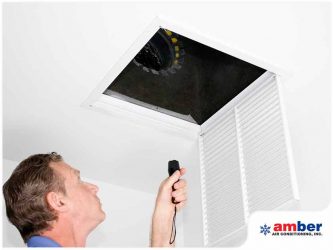
Air filters are an essential component of heating and cooling equipment. These parts are responsible for trapping dust, dirt, allergens and other contaminants and preventing them from recirculating indoors. However, some homeowners still wonder whether it’s safe to run the furnace or air conditioner without a filter. The simple answer is no. Here our experts at Amber HVAC discuss the risks of running HVAC units without a filter.
Does Your Home Need a Zoned HVAC System?
An HVAC zoning system, also referred to as a zoned HVAC, is a heating and cooling system that allows you to customize temperature zones throughout your living space. This means you can set different conditions for specific areas of your house. For example, in the summer you may increase air conditioning in busy areas such as the kitchen and living room during the day while keeping the bedrooms cooler at night. A zoning system is an ideal tool to enhance the comfort and efficiency of your home. In this article, the trusted HVAC company. Amber HVAC. shares everything you need to know about HVAC zoning.
How Aiming or Redirecting Air Vents Improves HVAC Efficiency
Your HVAC system works to ensure greater thermal comfort and energy efficiency in your home, but in order to do this, your air vents need to be aimed or redirected. Otherwise, your system won’t be able to heat or cool your rooms properly. Plus, you might end up paying higher energy bills. Amber Air Conditioning, the area’s leading source of high-quality indoor air quality solutions, discusses more here:
Why You Should Invest In an Energy Audit

There are many home improvements that can increase your home’s energy efficiency. Prioritizing which to do first should never be left to chance, which is why you should have an energy audit performed by a professional auditor before doing any home remodeling. Heating and air conditioning expert Amber Air Conditioning, Inc., shares why an energy audit may just be the most important thing you can do for your home. What Is an Energy Audit? During an energy audit, an auditor takes a look at everything that has to do with how your home consumes energy. This includes inspecting every appliance, every lighting fixture, and even small things such as power strips and smartphone chargers. The auditor also assesses components that might affect energy consumption, such as wall insulation, fenestrations and the integrity of your home’s ductwork. Problems such as leaks, insufficient insulation and inefficient appliances are noted and included in a detailed report. Remember to […]
The Environmental Benefits of Energy-Efficient HVAC Systems
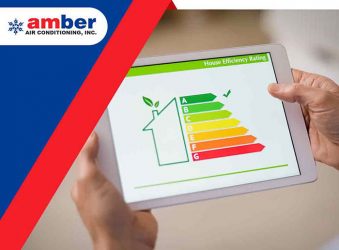
The advent of energy-efficient HVAC systems has dramatically improved the way homeowners utilize their heating and cooling systems. In addition to providing savings on utility costs and improved performance, energy-efficient HVAC systems also have environmental benefits: Fewer Carbon Emissions Grid-based electricity is produced mostly from fossil fuels such as crude oil. More electricity consumed means higher direct carbon emissions, which, in turn, can be harmful to the environment. Therefore, households that use inefficient HVAC systems have a negative impact on the environment, and will continue to do so as long as they keep using the same. According to the Energy Information Administration, an average home spends almost half of its annual energy costs on heating and cooling alone. Making the switch to energy-efficient HVAC systems can have a long-term positive effect on your annual energy consumption. More importantly, your home’s carbon emissions and its environmental impact can be dramatically reduced. Ozone-Friendly Refrigerants You may have […]